

Thinking
Not everything worth thinking about fits neatly into a keynote or a client programme.
This is where we explore the questions we’re still turning over — about leadership, power, work, technology, change and what organisations might need next.
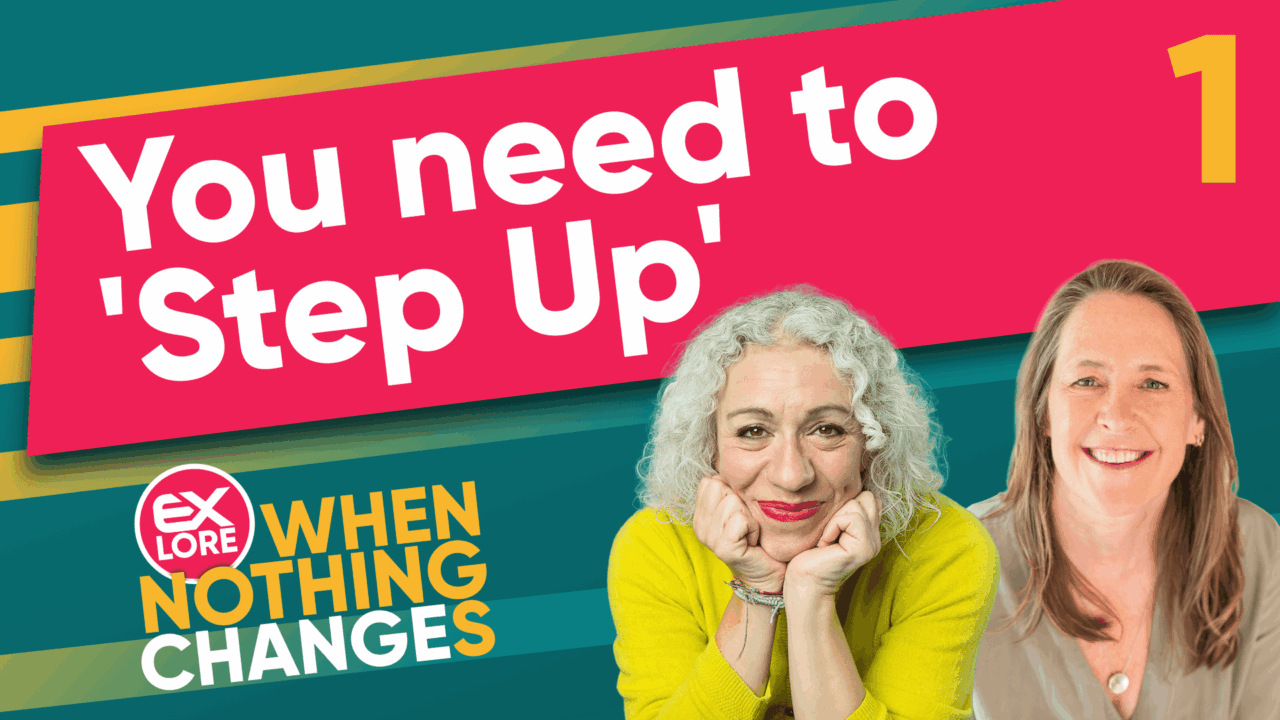
When everyone agrees…and nothing changes
Blaire Palmer and Ginny Baillie explore what leaders really mean when they ask people to “step up” - and why meaningful change so often stalls even when everyone agrees it matters.

Forget the predictions: five questions that will shape work in 2027
Forget predictions. The questions shaping work in 2027 will challenge how we recruit, the conditions people need to thrive, what we do with AI-created capacity, and whether leaders will share the context people need to think well.
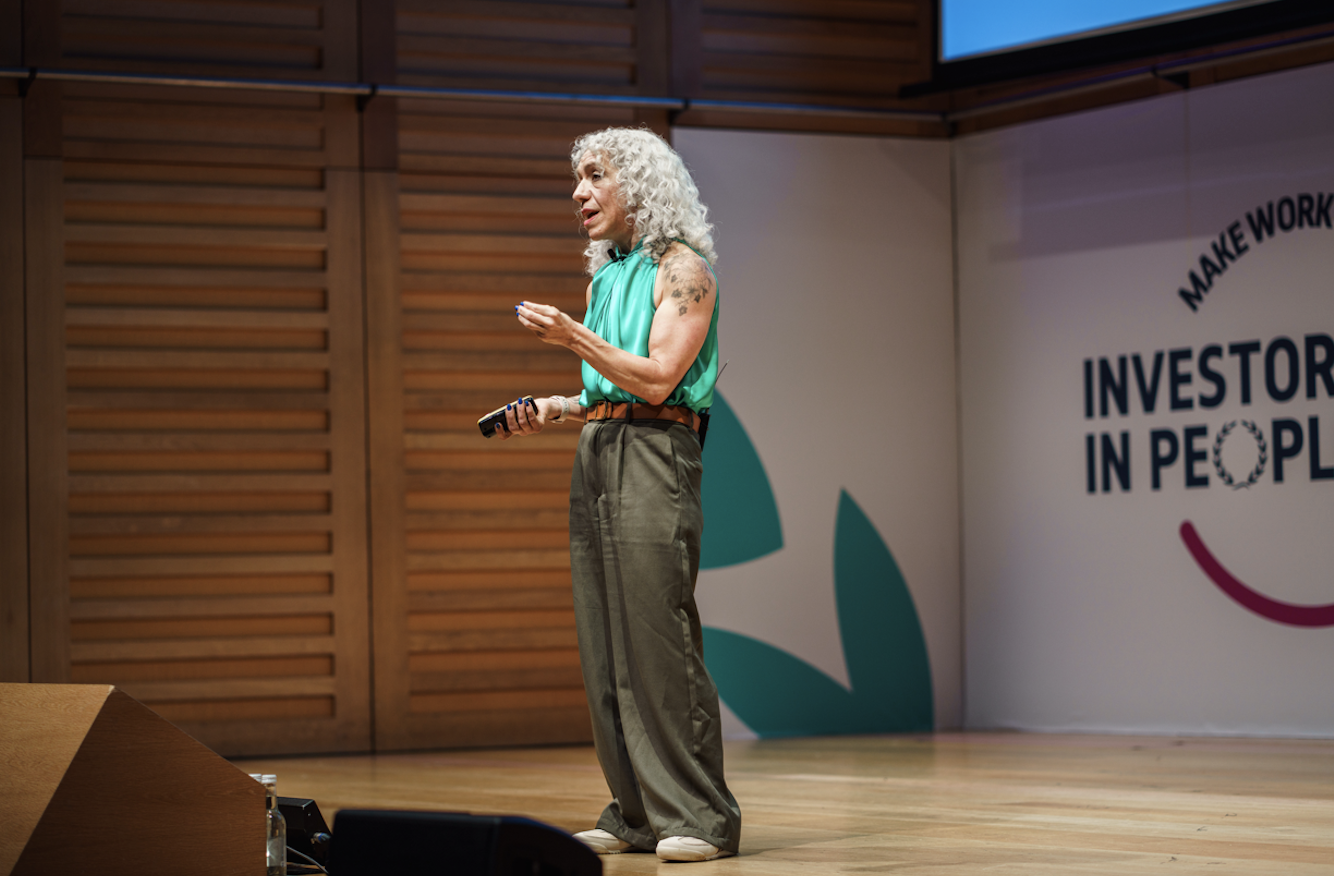
How to Choose a Leadership Keynote Speaker for Organisational Change
Choosing a leadership keynote speaker isn’t simply about finding someone who can hold a room. Here are the questions to ask if you want a session that challenges senior leaders, supports organisational change and creates movement beyond the applause.

Why Decisions Keep Travelling Upwards During Transformation
Decisions keep travelling upwards when people learn that their authority is conditional: they may decide, provided they make the decision the executive team would have made. Creating ownership therefore requires more than clearer decision rights. It requires both parties to behave differently at the moment a decision feels risky.

What is a ‘Friction diagnostic’?
Most organisations have a clear sense of what they're trying to achieve. Yet making progress can feel harder than it should.
We call these points of difficulty friction. And that’s what our diagnostic questionnaire is designed to surface.
The Path of Least Resistance
How is our approach to transformation leadership different to what you might already have in place? And how can this augment or leverage the investment you’ve already made in your leadership development. This video explains more.

Your leaders have been trained. So why are they struggling to lead transformation?
Your leaders have done the training. They know about trust, feedback, delegation and leading through change. So why, when transformation actually hits, do old habits come roaring back?
The problem may not be your leadership development. It may be that leading transformation requires a very different kind of development — one where the work itself becomes the classroom.

What if ‘resistance to change’ is perfectly rational?
When people resist change, leaders often assume the answer is better communication, more resilience or clearer priorities.
But what if resistance is actually a rational response to the way the organisation works? Instead of asking how to get people on board, it may be more useful to ask what their resistance is trying to tell you.

THE THIRD DIMENSION OF TRUST
We talk about trust as something between people: can I trust you, and are you willing to trust me?
But there may be a third dimension — our ability to sit with disagreement without rushing to resolve it. In a world of more polarised opinions and fewer obvious right answers, that may be the form of trust leaders need most.